Design Trends 2026: 6 trends that will matter for Product Design

Maxime Frere
Principal Designer
From the omnipresence of AI to the return of human intent, let's break down our six predictions for the year ahead.
While our 2025 Design Trends focused on reclaiming creative control and leveraging AI to elevate quality, 2026 takes us to a whole new level. Last year, we bet on a return to distinctive craft and the designer’s ability to become a central driver in the shipping process.
Today, that vision is accelerating. In 2026, the way we design, prototype, and deliver digital experiences is undergoing a radical shift. AI is deepening its impact, but the playground has changed: it no longer just optimizes our internal workflows—it is now moving directly into the hands of our end users. We are moving from AI as a tool that helps us create, to AI as the very core of the lived experience.
The Personal Software Era
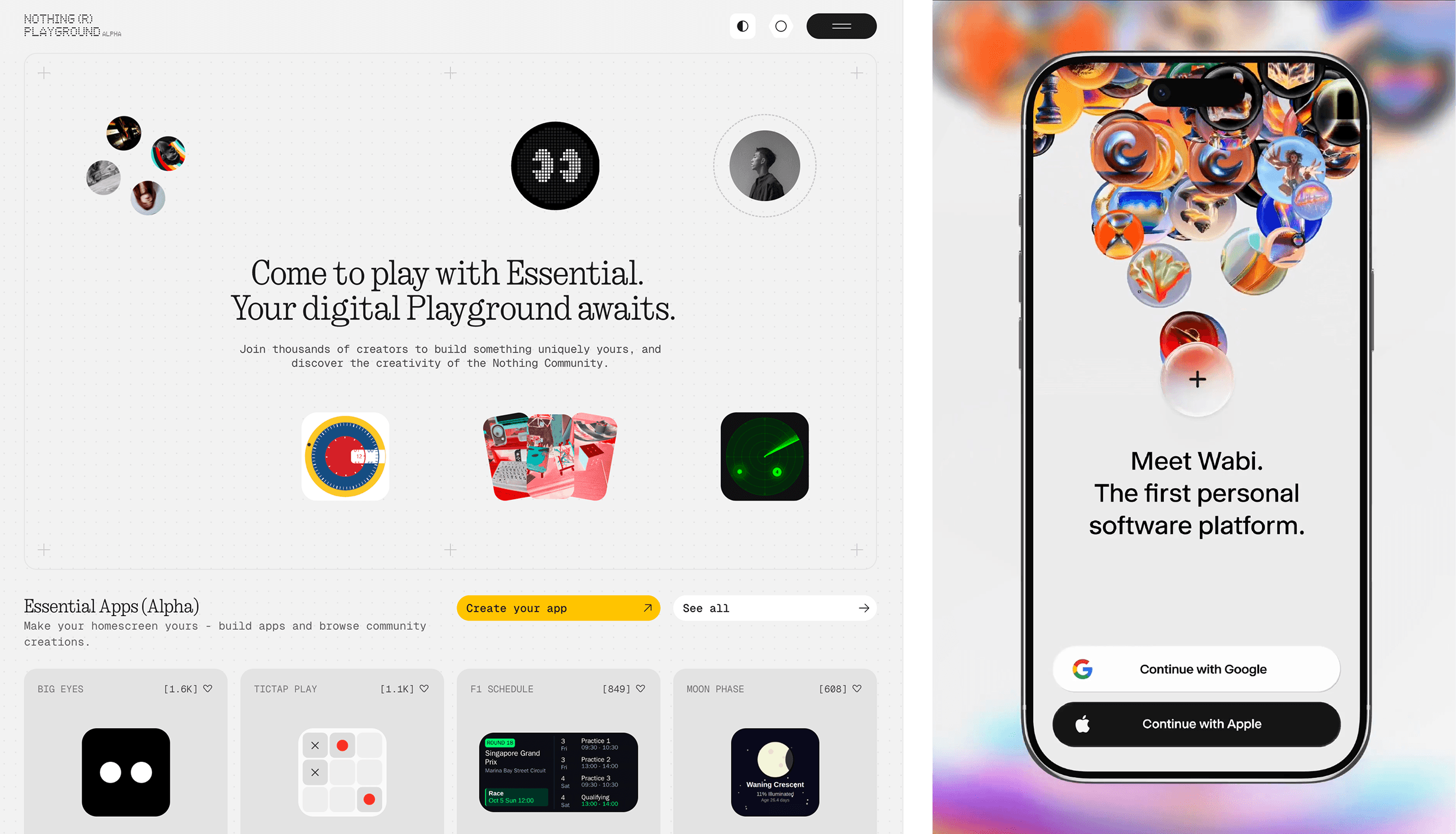
We’re entering an era where software is no longer consumed — it’s composed.
Creating, saving, and sharing custom tools becomes effortless, whether inside your OS, within apps, or through AI-native environments like Wabi and Claude Artifacts.
Users don’t just use software anymore — they author it.
The result: deeply personal, adaptive, expressive digital environments that evolve with each individual.
Towards a Role of Prototype Builder
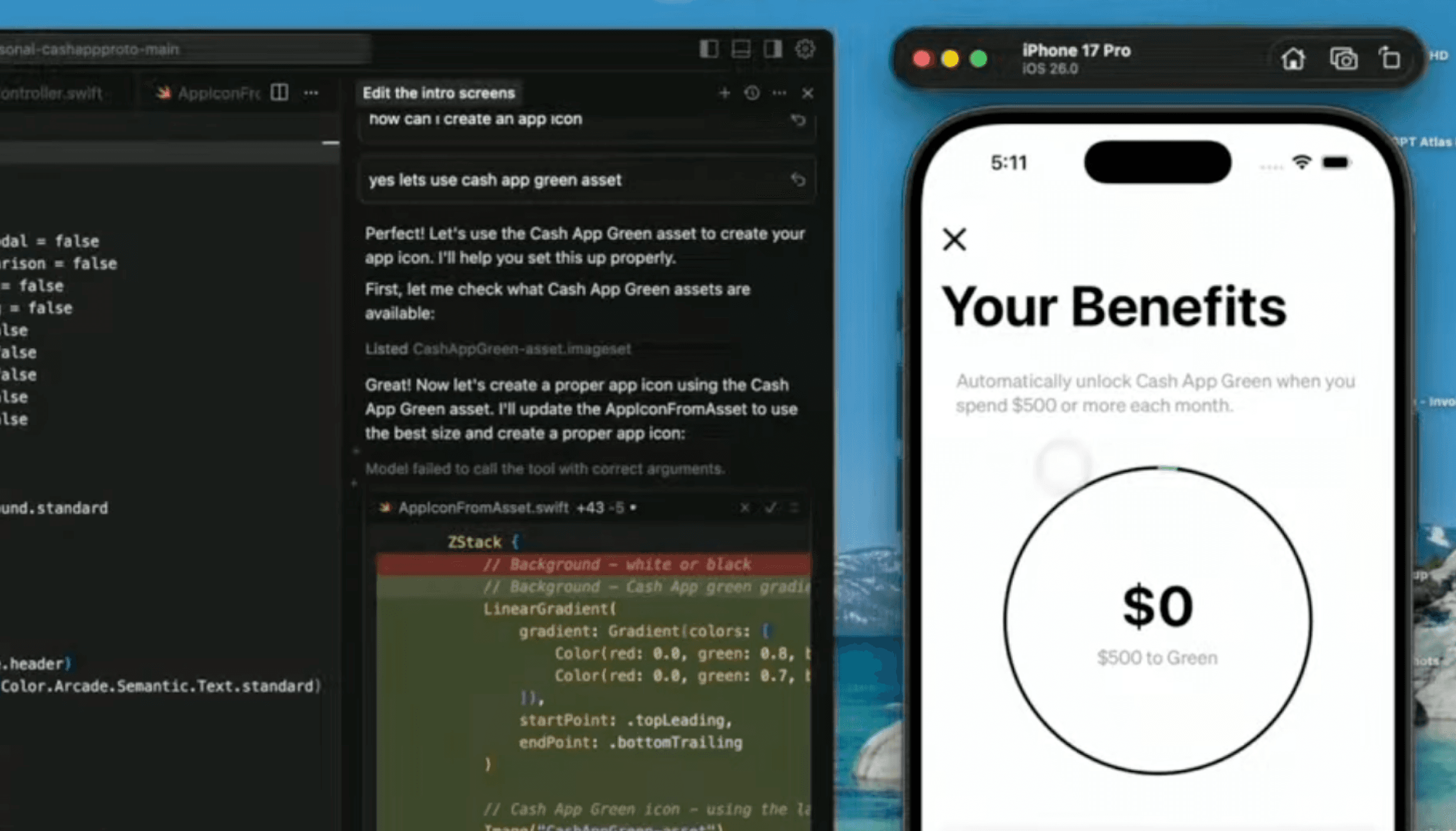
We’re shifting from designing screens to building working prototypes.
With tools like Cursor, AI-assisted code, and component systems, we design directly in code and test immediately in the browser or on mobile, as close as possible to the final product.
Designers move from artifact-makers to prototype builders shaping behavior and interaction in real conditions.
We will Design with, for, in AI
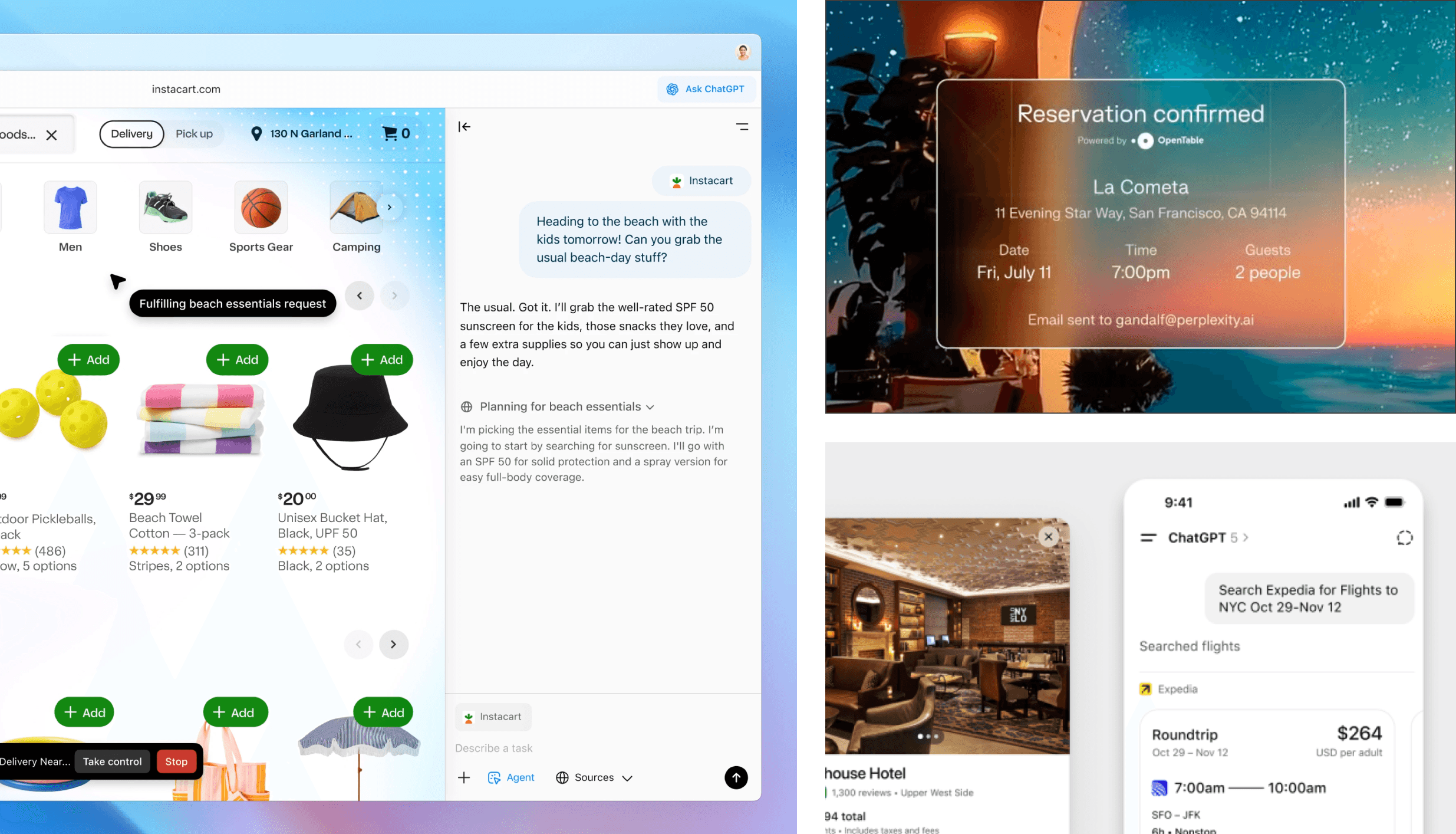
AI is no longer just a tool — it mediates creation, distribution, and consumption. Designers must rethink interfaces and flows to be usable, interpretable, and actionable both for humans and AI, embedding semantics, intent, and context at the core of every experience.
Our role expands: we orchestrate integration and interaction, shaping systems where humans and AI co-create and deliver value together.
Emotion as a Business Differentiator
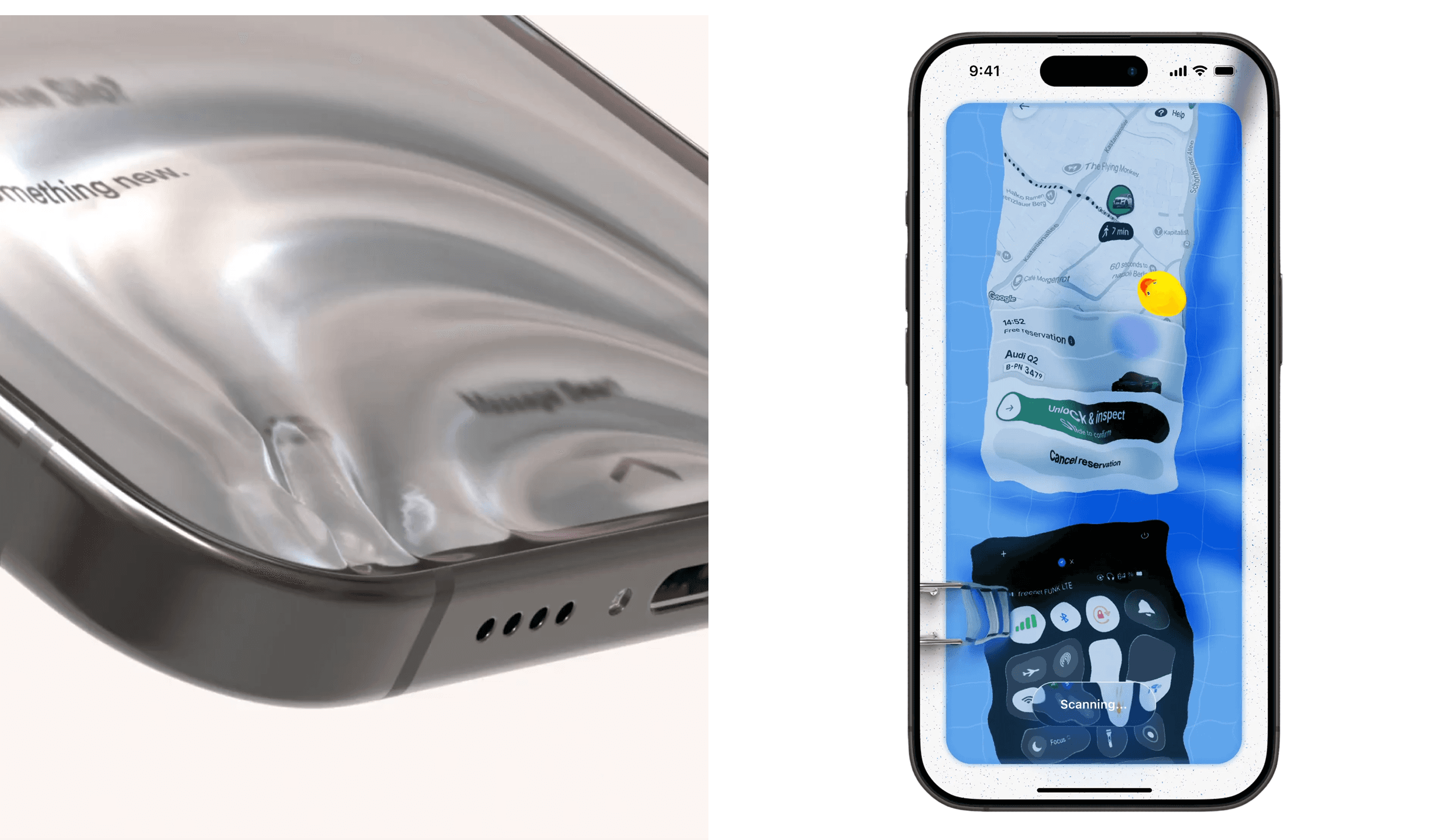
Expression is now the key to standing out in a world of templated, AI-driven interfaces.
By infusing personality, motion, and distinctive identity, designers turn consistency into recognition, trust, and business advantage.
Uniformity may be safe, but expression drives differentiation and loyalty.
The rise of an unleashed interactivity
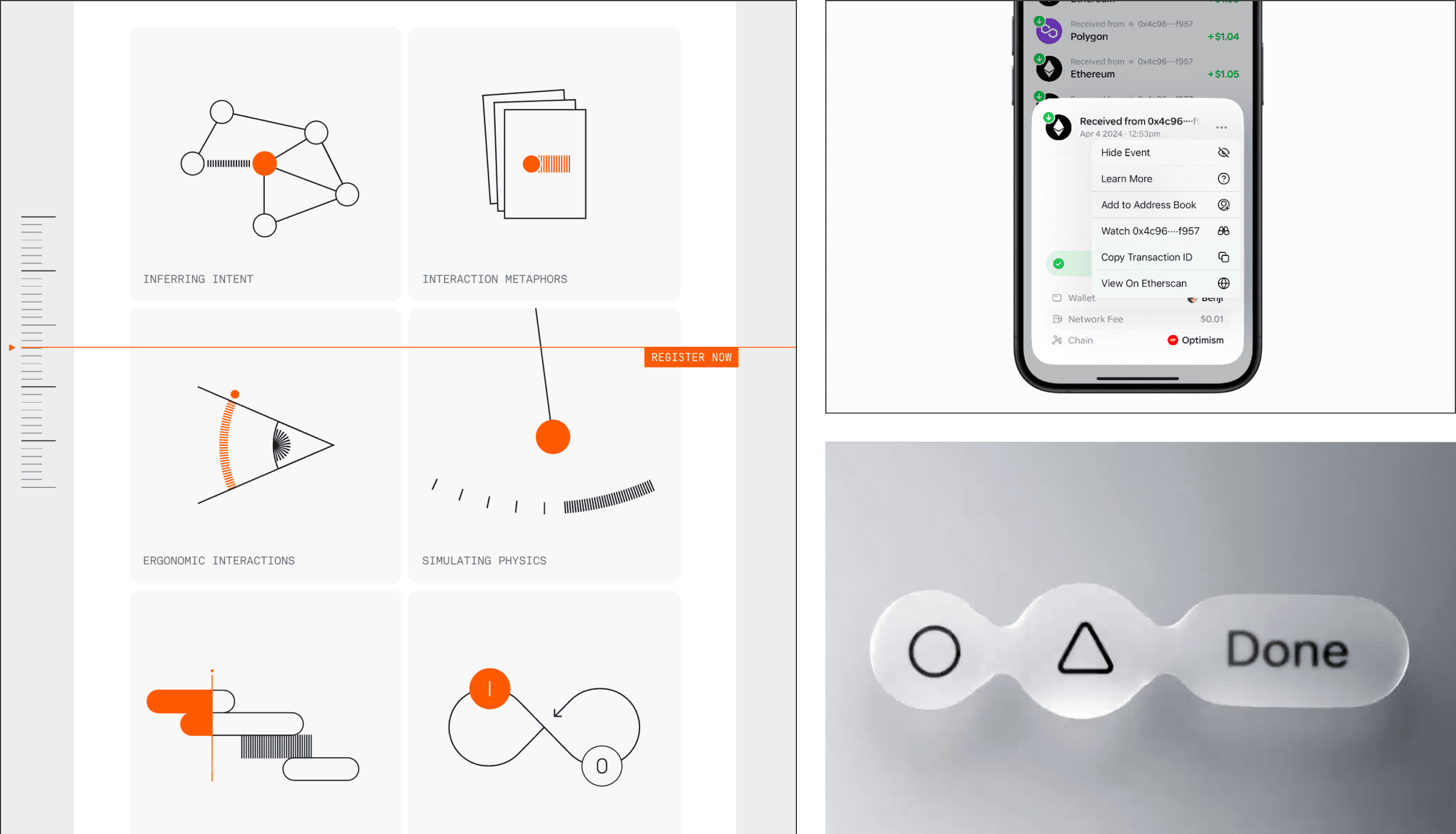
Interfaces are becoming alive, responsive, and ultra-interactive.
With seamless motion and real-time feedback, every gesture and element reacts naturally, creating experiences that are dynamic, intuitive, and emotionally expressive.
Design is no longer just visuals, it’s about orchestrating behavior and shaping interaction as a form of expression.
Good is not enough, the AI Trap
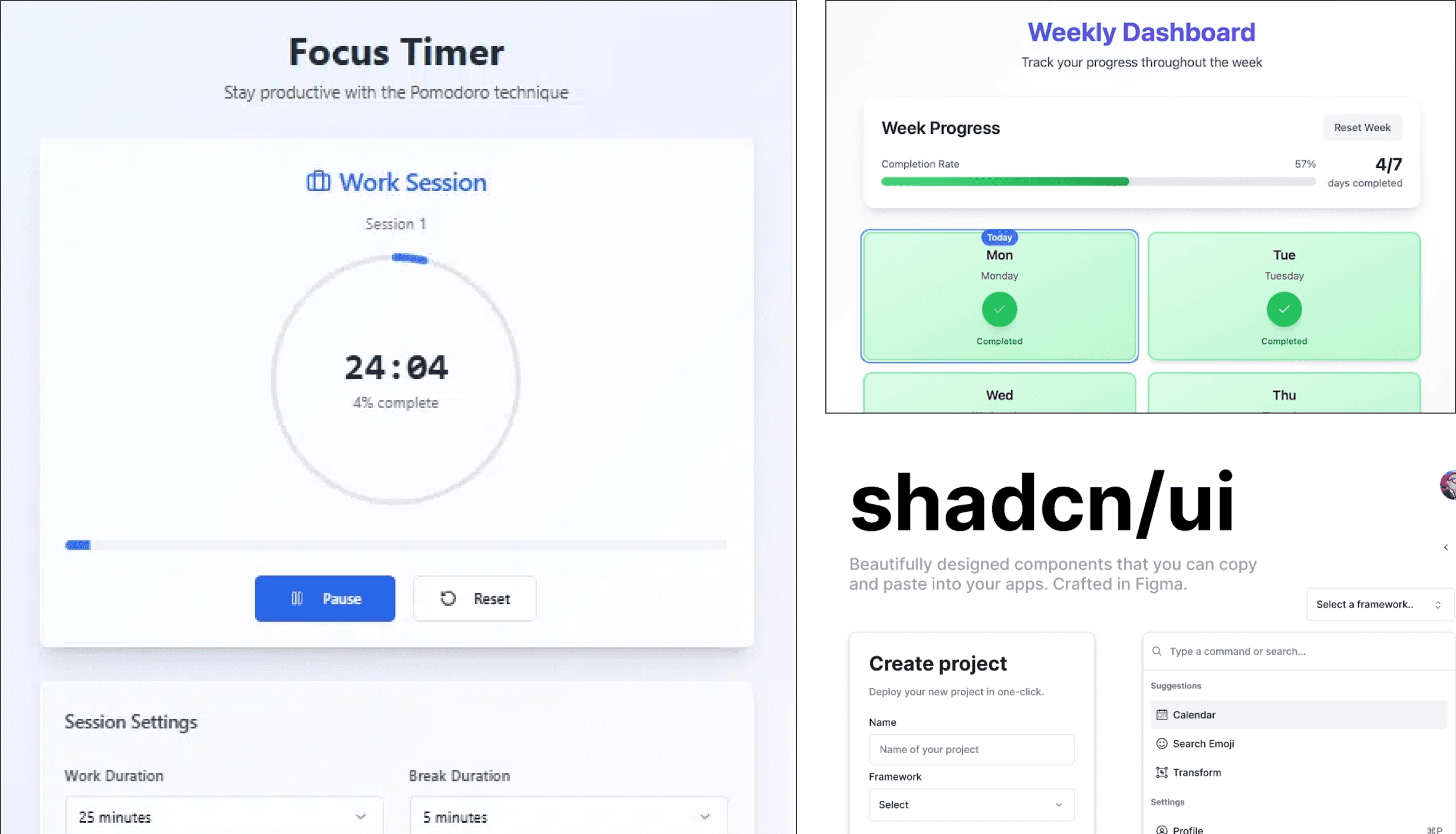
AI makes everything “good enough,” but good is no longer enough.
Without human craft and intentionality, designs risk becoming bland, generic, or forgettable. Subtlety, narrative, and moments of delight (the things that make experiences memorable) cannot be left to AI alone.
The real challenge is to push beyond the AI baseline, refining every detail, making deliberate choices, and creating experiences that truly resonate, delight, and stand out.
From the omnipresence of AI to the return of human intent, let's break down our six predictions for the year ahead.
While our 2025 Design Trends focused on reclaiming creative control and leveraging AI to elevate quality, 2026 takes us to a whole new level. Last year, we bet on a return to distinctive craft and the designer’s ability to become a central driver in the shipping process.
Today, that vision is accelerating. In 2026, the way we design, prototype, and deliver digital experiences is undergoing a radical shift. AI is deepening its impact, but the playground has changed: it no longer just optimizes our internal workflows—it is now moving directly into the hands of our end users. We are moving from AI as a tool that helps us create, to AI as the very core of the lived experience.
The Personal Software Era
We’re entering an era where software is no longer consumed — it’s composed.
Creating, saving, and sharing custom tools becomes effortless, whether inside your OS, within apps, or through AI-native environments like Wabi and Claude Artifacts.
Users don’t just use software anymore — they author it.
The result: deeply personal, adaptive, expressive digital environments that evolve with each individual.
Towards a Role of Prototype Builder
We’re shifting from designing screens to building working prototypes.
With tools like Cursor, AI-assisted code, and component systems, we design directly in code and test immediately in the browser or on mobile, as close as possible to the final product.
Designers move from artifact-makers to prototype builders shaping behavior and interaction in real conditions.
We will Design with, for, in AI
AI is no longer just a tool — it mediates creation, distribution, and consumption. Designers must rethink interfaces and flows to be usable, interpretable, and actionable both for humans and AI, embedding semantics, intent, and context at the core of every experience.
Our role expands: we orchestrate integration and interaction, shaping systems where humans and AI co-create and deliver value together.
Emotion as a Business Differentiator
Expression is now the key to standing out in a world of templated, AI-driven interfaces.
By infusing personality, motion, and distinctive identity, designers turn consistency into recognition, trust, and business advantage.
Uniformity may be safe, but expression drives differentiation and loyalty.
The rise of an unleashed interactivity
Interfaces are becoming alive, responsive, and ultra-interactive.
With seamless motion and real-time feedback, every gesture and element reacts naturally, creating experiences that are dynamic, intuitive, and emotionally expressive.
Design is no longer just visuals, it’s about orchestrating behavior and shaping interaction as a form of expression.
Good is not enough, the AI Trap
AI makes everything “good enough,” but good is no longer enough.
Without human craft and intentionality, designs risk becoming bland, generic, or forgettable. Subtlety, narrative, and moments of delight (the things that make experiences memorable) cannot be left to AI alone.
The real challenge is to push beyond the AI baseline, refining every detail, making deliberate choices, and creating experiences that truly resonate, delight, and stand out.
Enjoyed this article? You’ll love Open!
Join our newsletter to get the very best of our content every month — insights, client stories and design experiments, straight to your inbox.
Enjoyed this article? You’ll love Open!
Join our newsletter to get the very best of our content every month — insights, client stories and design experiments, straight to your inbox.
Read next